The Role of Negligence in Personal Injury Cases
When someone is injured because another person acted carelessly, the law refers to that careless behavior as negligence. It is a simple word, yet it carries tremendous weight in personal injury cases. For people in Largo who are dealing with the aftermath of an accident, understanding how fault is evaluated can help them make informed decisions as they move forward. The legal process can feel intimidating, especially when insurance companies push back or deny responsibility. Still, the core idea behind these claims remains consistent. If someone failed to act responsibly and their actions caused harm, they may be legally accountable for the damage they created.
Negligence determines who is responsible and how much compensation may be available. It influences settlement negotiations, litigation strategies, and the overall direction of the case. While every accident is different, the principles used to determine fault tend to follow the same structure. Learning how these rules operate can give injury victims a clearer picture of what to expect.
Why Negligence Matters in Injury Claims
Negligence is the foundation of most personal injury cases in Florida. To seek compensation, the injured person must show that the at-fault party breached a duty of care and that this breach directly caused the accident. Without proving negligence, a claim often lacks the legal support needed to move forward.
Duty of care is a straightforward concept. Drivers must operate their vehicles safely. Property owners must maintain safe spaces. Businesses must create environments that reduce hazards for customers. When someone forgets, ignores, or disregards these responsibilities, an unsafe situation develops, and people can get hurt.
In Largo, negligence impacts everything from slip and falls to vehicle crashes. Even injuries that appear minor can take a physical and financial toll over time. Proving how and why negligence occurred lays the foundation for receiving compensation for those losses.
How Duty of Care Is Established
Every negligence claim begins with the duty of care. This duty changes depending on the situation. A driver owes a duty to follow traffic laws and stay alert. A store owes a duty to identify dangerous conditions and fix them quickly. A property owner owes a duty to warn guests about hazards they cannot easily see.
Some duties are created by Florida law. Others arise from common sense or long-standing expectations about public safety. Once duty is established, the next question becomes whether that duty was violated.
A breach occurs when someone fails to behave the way a reasonably careful person would have behaved under the same circumstances. This comparison may sound subjective, but the law uses evidence to help determine what “reasonable” looks like. Accident reports, photographs, witness statements, and expert analysis can all show whether the accused party acted responsibly.
Connecting Negligence to the Injury
After establishing a breach, the injured party must show that this careless behavior directly caused their injuries. This requirement is known as causation. Connecting the behavior to the harm is not always simple. Insurance companies often argue that there were other factors involved, or they claim the injuries existed before the accident.
Medical records, diagnostic tests, photographs, and statements from treating physicians play an important role here. The goal is to create a clear timeline of how the accident occurred and how the injuries developed. This evidence helps show that the breach of duty led to real and measurable harm.
Once causation is established, the final step is showing the extent of the damages. Injuries lead to medical bills, lost income, pain, and disruptions to daily life. These losses must be documented and supported with proof.
Examples of Negligence in Largo Injury Cases
Negligence can happen in countless ways, but some situations appear more often than others. In Largo, common examples include:
- Drivers who text while driving
- Businesses that fail to clean spills or repair hazards
- Landlords who ignore safety issues in common areas
- Dog owners who do not restrain their pets
- Contractors who overlook safety protocols
- Nursing home staff who fail to monitor residents
Each example involves a duty, a breach, and resulting harm. Understanding how those elements fit together helps build a strong legal claim.
How Comparative Fault Affects Compensation
Florida follows a modified comparative fault system. This system acknowledges that more than one person can contribute to an accident. Under current law, an injured person may recover compensation only if they are not more than 50 percent responsible for the incident. If they are found 51 percent or more at fault, they cannot recover damages.
If the injured person shares some of the blame but not more than half, their compensation is reduced by their percentage of fault. For example, if someone is awarded $100,000 but is found 20 percent at fault, they may recover $80,000.
Insurance companies frequently use comparative fault to minimize payouts. They may argue that the injured person acted carelessly or failed to notice a hazard. This is one reason why strong evidence is crucial. Clear documentation reduces the chances that fault will be unfairly shifted onto the injured person.
Evidence That Helps Establish Negligence
Proving negligence requires evidence, and stronger evidence leads to stronger claims. Examples of useful documentation include:
- Photographs of the accident scene
- Video footage from security cameras or dash cams
- Eyewitness statements
- Police or incident reports
- Maintenance records or inspection logs
- Medical records and diagnostic imaging
- Cell phone records that confirm distracted behavior
- Expert opinions from accident reconstruction specialists
Collecting this information early helps preserve details that may be lost with time. Lighting changes, weather conditions shift, and businesses repair hazards quickly. The sooner evidence is gathered, the easier it becomes to show what truly happened.
How a Lawyer Strengthens a Negligence Claim
Navigating a personal injury claim alone can be overwhelming. A lawyer helps investigate the accident, gather supporting proof, and communicate with insurance adjusters. Attorneys also understand the arguments insurers use to deny responsibility and can respond with evidence that protects the client’s interests.
In Largo, lawyers often work with medical professionals, investigators, and reconstruction experts to build a detailed picture of how the accident occurred. They also evaluate the long-term impact of the injury to ensure that settlement offers reflect the full extent of the damage. Many injuries lead to ongoing treatment, lost earning capacity, and lasting pain. A lawyer helps ensure those losses are not overlooked.
If negotiations fail, the lawyer can prepare the case for trial. Although many claims settle before reaching a courtroom, having a strong advocate makes the process less stressful for the injured person.
Conclusion
Knowledge gives injured individuals confidence as they move through the claims process. Understanding what must be proven, how fault is determined, and what evidence matters allows them to participate actively in their case. It also helps them recognize when an insurance company is trying to delay negotiations or reduce compensation unfairly.
Negligence is more than a legal standard. It is the structure that guides every decision in a personal injury case. When someone acts irresponsibly and someone else suffers harm because of it, the law provides a pathway to recovery. For people in Largo dealing with medical bills, lost wages, and uncertainty about the future, that pathway makes a significant difference.
If you are recovering from an accident and have questions about how negligence may affect your claim, speaking with a personal injury lawyer can help you take the next step toward protecting your rights and securing the compensation you need.
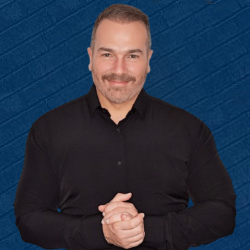
John Pape is the Managing Partner at Weston & Pape and has more than 30 years of experience representing injured clients across Florida. A summa cum laude graduate of the University of Miami School of Law, he has devoted his entire career to personal injury cases, including motor-vehicle accidents, wrongful death, and nursing-home neglect. Recognized by Verdict7, The National Trial Lawyers Top 100, and Premier Lawyers of America, John is known for his thorough preparation and commitment to achieving meaningful results for his clients.

 Call Us Today - It's Free