What Happens if the Responsible Party is Uninsured?
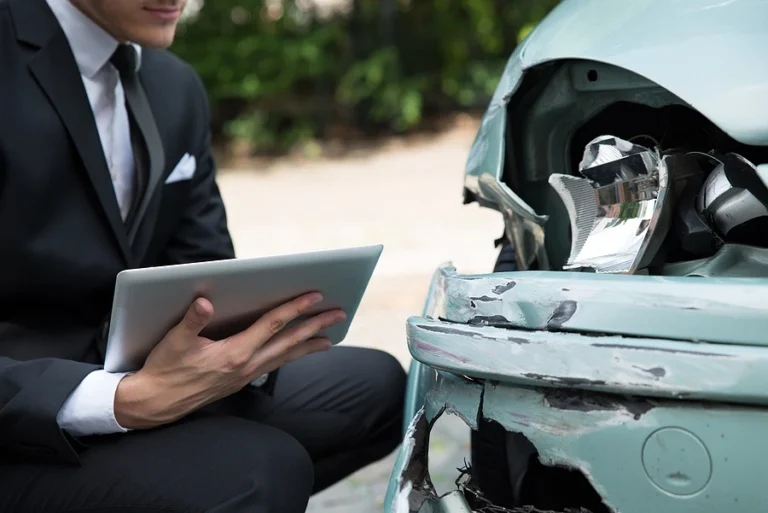
An accident is stressful on its own. When you discover the person who caused the crash has no insurance, the situation becomes even more complicated. Many people assume they will be stuck with the bill, especially when the other driver cannot pay for the damage they caused. While this fear is common, it does not tell the full story. Florida has systems in place that may help injured individuals recover compensation even when the responsible party is uninsured.
Understanding how these cases work is important. It helps you avoid mistakes and protects your ability to pursue the financial support you need. Whether you were injured in a car crash, struck while walking, or hit while riding a bike, the steps you take afterward can significantly influence the outcome of your claim.
How Being Hit by an Uninsured Driver Affects Your Case
Florida operates under a no fault insurance system. This means drivers must carry Personal Injury Protection coverage. PIP is designed to pay for medical expenses and some of your lost income, no matter who caused the crash. Because the system requires each driver to rely on their own insurance first, many people assume the at fault driver’s status does not matter. In reality, it becomes a major factor very quickly, especially if your injuries are serious.
If your medical bills exceed your PIP limits or if the accident qualifies as a serious injury under state law, you may step outside the no fault process and file a claim against the responsible party. This is where insurance becomes important. When the other driver does not have coverage, pursuing compensation becomes more difficult, but not impossible.
Uninsured drivers create several challenges. They rarely have funds available to cover medical bills, lost wages, or property repairs. Their lack of coverage also raises questions about their ability to pay even if a court orders them to do so. Despite these concerns, there are alternative paths for injured individuals.
How Your Own Insurance May Step In
Many people do not realize their own policy may help them in situations like this. Two types of insurance are especially important when dealing with an uninsured driver in Largo.
Uninsured motorist coverage is one of them. UM coverage is designed for exactly these scenarios. It takes the place of the at fault driver’s missing insurance and provides compensation for medical costs, pain and suffering, and lost income. While this coverage is optional in Florida, many drivers choose to carry it. If you are one of them, your policy might offer a safety net that prevents you from facing financial hardship.
Another form of coverage that may help is collision insurance. Collision does not address medical bills, but it may pay for repairs to your vehicle. This can be a valuable resource if the uninsured driver cannot cover the damage.
Many people hesitate to use their own coverage because they worry their premiums will increase. In claims involving uninsured drivers, this is not always the case. Insurance companies often treat these claims differently because the driver who caused the crash had no policy. Every provider is different, which is why reviewing your policy and speaking with an attorney can help clarify what to expect.
Whether You Can Sue an Uninsured Driver
A lawsuit against the responsible party may still be an option. However, suing an uninsured driver is not always straightforward. Even if a court rules in your favor, collecting the money can be difficult if the individual has limited assets. Courts cannot take what the person does not have.
Still, there are situations where a lawsuit is worthwhile. Some uninsured drivers own property, have valuable assets, or receive income that could be subject to garnishment. There are also cases where the driver has coverage through another source, such as a business policy, an employer’s policy, or a household member’s insurance. These details often come to light only after a thorough investigation.
A lawsuit may also be necessary if your own insurance provider refuses to pay what your claim is worth. UM claims sometimes require litigation to resolve disputes about the value of your injuries. In these cases, you are not suing the uninsured driver. You are pursuing a fair result from your own insurer.
What Happens if More Than One Party Played a Role
Not every crash is the result of a single person’s actions. Sometimes multiple individuals or companies share responsibility. This can happen in many ways. A defective vehicle part might contribute to the collision. A roadway hazard might make an impact more severe. A commercial driver might be using a company vehicle at the time of the crash.
When more than one party is responsible, you may have additional avenues to pursue compensation. Identifying these parties requires careful investigation. Police reports, witness testimony, camera footage, vehicle damage, and digital data can play important roles in uncovering what really happened. When claims involve more than one responsible party, the process becomes more complex, but it may also increase the chance of a meaningful recovery.
How Evidence Influences Claims Involving Uninsured Drivers
Evidence takes on even greater importance when the at fault driver is uninsured. Insurance companies often challenge these claims, and uninsured drivers sometimes deny responsibility to avoid potential consequences. Strong evidence helps protect your claim and strengthens your ability to recover compensation.
Documentation of your injuries is essential. Medical records, diagnostic tests, and treatment notes help show the seriousness of your condition. Photographs of the scene and damage also matter. So does witness testimony. If available, video footage from dash cameras, businesses, or traffic cameras can provide clarity when the details are disputed.
Your actions after the accident can help build a stronger claim. Reporting the crash immediately, seeking medical attention quickly, and following through with treatment support your case. Delays can create doubt, and insurance companies pay close attention to these gaps.
Why Legal Help Matters in Claims With Uninsured Drivers
Being injured by someone without insurance can leave you feeling uncertain about what to do. These cases involve a combination of insurance law, Florida’s no fault rules, and potential personal injury litigation. Without guidance, it is easy to miss important steps or accept less compensation than you deserve.
An attorney can identify all possible sources of coverage, communicate with insurers, and push back when a claim is undervalued. Legal support can also help uncover evidence that might otherwise be overlooked. In addition, an attorney can evaluate whether a lawsuit is practical and advise you on the likelihood of collecting compensation from the at fault party.
Working with a lawyer can also ease the burden of dealing with constant phone calls, detailed paperwork, and negotiations. Many people find that having an experienced advocate makes the process far less overwhelming.
What to Do After an Accident With an Uninsured Driver in Largo
If you find yourself in this situation, there are a few steps you can take to safeguard your claim.
Report the crash right away. This creates an official record. Seek medical care as soon as possible, even if you feel fine. Some injuries reveal themselves later, and early documentation protects your health and your case. Take photos when you can. Gather names and contact information from witnesses.
Contact your insurance provider promptly, but do not assume the first offer reflects the value of your claim. Insurance companies often want to close claims quickly. It is important to understand your rights before accepting any payment.
Finally, consider speaking with a personal injury lawyer early in the process. The sooner a lawyer is involved, the easier it becomes to preserve evidence, identify coverage options, and avoid avoidable setbacks.
Conclusion
Dealing with an uninsured driver adds layers of stress to an already difficult experience. Medical bills pile up. You might miss work. Repairs become an immediate concern. These challenges can make the situation feel impossible, but there are often more options than people realize.
PIP may cover initial medical costs. Your own insurance policy may offer additional protection. Lawsuits remain a potential path in certain cases. Other responsible parties might come into play. With the right approach and careful guidance, it is often possible to secure meaningful compensation even when the at fault driver lacks insurance.
If you were injured in Largo and the person who caused the crash has no coverage, you do not have to navigate this process alone. A personal injury lawyer can help you understand your options, protect your rights, and work toward a result that supports your recovery.
John Pape is the Managing Partner at Weston & Pape and has more than 30 years of experience representing injured clients across Florida. A summa cum laude graduate of the University of Miami School of Law, he has devoted his entire career to personal injury cases, including motor-vehicle accidents, wrongful death, and nursing-home neglect. Recognized by Verdict7, The National Trial Lawyers Top 100, and Premier Lawyers of America, John is known for his thorough preparation and commitment to achieving meaningful results for his clients.

 Call Us Today - It's Free