Florida Car Accident Settlement Timeline: What to Expect
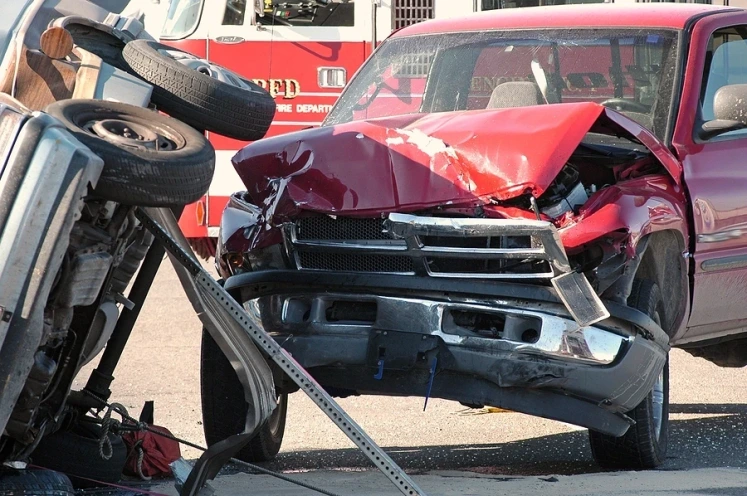
Being involved in a car accident in Florida can be stressful. Beyond the physical injuries and property damage, victims often face uncertainty about how long it will take to receive compensation. Understanding the general timeline for a car accident settlement can help you prepare for what comes next and reduce some of the stress that comes with the process.
Initial Steps After a Car Accident
The timeline for a car accident settlement begins immediately after the crash. The first step is to ensure safety and seek medical attention if needed. Even if injuries seem minor, it is important to get checked by a healthcare professional. Florida law allows you to file a personal injury claim only if you can document your injuries and link them to the accident.
Next, you should report the accident to local law enforcement and obtain a copy of the police report. This document serves as an official record of the incident and is often used in settlement negotiations. Gathering evidence, including photos of the accident scene, witness statements, and records of property damage, also lays a strong foundation for your claim.
Filing an Insurance Claim
Once your initial documentation is complete, the next step is filing a claim with the insurance company. If you are filing under your own insurance, Florida’s no-fault law may require you to first use Personal Injury Protection (PIP) coverage. PIP covers medical expenses and lost wages up to a certain limit, regardless of who caused the accident.
Filing a claim with the at-fault party’s insurance is another step that usually follows. The insurance adjuster assigned to your case will review your claim, evaluate damages, and may request additional documentation. During this period, you may be asked to give a recorded statement. While this is standard procedure, it is advisable to consult with a personal injury lawyer before providing statements, as your words can affect the outcome of your settlement.
Investigation and Negotiation Phase
After your claim is submitted, the insurance company will begin its investigation. This step involves reviewing accident reports, medical records, witness statements, and any other evidence you provide. The adjuster will assess the liability of the parties involved and determine the extent of your damages.
The investigation phase can take several weeks to a few months, depending on the complexity of the case. If liability is clear and your injuries are well-documented, the process may move faster. However, if there are disputes about fault or the severity of injuries, the timeline can extend significantly.
Once the investigation is complete, settlement negotiations begin. Your attorney can help you understand what compensation is reasonable and advocate on your behalf. Negotiations often involve multiple offers and counteroffers, as both sides aim to reach a fair resolution.
Medical Treatment and Documentation
One of the factors that influence the settlement timeline is your medical treatment. Insurance companies typically want to see that you have reached what is known as “maximum medical improvement.” This means your medical condition has stabilized, and no further treatment is expected to significantly change your recovery.
Continuing treatment and follow-up appointments may be necessary to document ongoing pain, physical limitations, or psychological effects of the accident. Delaying treatment or skipping appointments can slow down the settlement process and reduce your potential compensation.
Filing a Lawsuit if Necessary
If settlement negotiations stall or the insurance company refuses to offer fair compensation, filing a lawsuit may become necessary. This step officially begins the litigation process, which can extend the overall timeline. In Florida, the lawsuit process involves several stages, including filing a complaint, discovery, depositions, and possibly mediation before trial.
Even if a lawsuit is filed, many cases still settle before reaching trial. The litigation process can last several months to over a year depending on court availability and case complexity.
Factors That Affect Settlement Timeline
Several factors influence how long it takes to settle a car accident claim in Florida:
- Severity of injuries: Serious or long-term injuries require more documentation and often longer negotiations.
- Complexity of the accident: Multi-vehicle accidents or cases with unclear liability can take longer to resolve.
- Insurance company practices: Some insurers take longer to investigate and negotiate claims.
- Availability of evidence: Delays in obtaining medical records, repair estimates, or witness statements can slow the process.
- Legal representation: Having an experienced personal injury lawyer can streamline communication with the insurance company and help resolve issues more efficiently.
Typical Timeline Expectations
While every case is unique, most Florida car accident settlements follow a general timeline:
- Immediate response and documentation: 0-2 weeks after the accident
- Medical treatment and initial claim filing: 2-6 weeks
- Insurance investigation: 1-3 months
- Negotiation phase: 1-6 months
- Filing a lawsuit if needed: 6 months to several years
Some cases can be resolved within a few months, especially when liability is clear and injuries are minor. Others, particularly those involving complex injuries or disputed fault, can take a year or more.
Finalizing the Settlement
Once both parties agree on compensation, the settlement is documented in a formal agreement. This document outlines the amount to be paid, any conditions for the payment, and a release of liability, which prevents further claims related to the accident. After signing the agreement, the insurance company issues payment, often within a few weeks.
It is important to review the settlement carefully with your attorney before signing. Once finalized, the settlement is legally binding.
Conclusion
Understanding the timeline for a car accident settlement in Florida can help you navigate the process with more confidence. While it can be difficult to predict exact dates, knowing the stages of a claim, the importance of documentation, and the role of medical treatment and legal representation can prepare you for what to expect. Patience and careful planning, along with the guidance of a personal injury lawyer, can help ensure you receive fair compensation without unnecessary delays.

John Pape is the Managing Partner at Weston & Pape and has more than 30 years of experience representing injured clients across Florida. A summa cum laude graduate of the University of Miami School of Law, he has devoted his entire career to personal injury cases, including motor-vehicle accidents, wrongful death, and nursing-home neglect. Recognized by Verdict7, The National Trial Lawyers Top 100, and Premier Lawyers of America, John is known for his thorough preparation and commitment to achieving meaningful results for his clients.

 Call Us Today - It's Free