Common Causes of Multi-Vehicle Accidents in Florida and Liability Issues
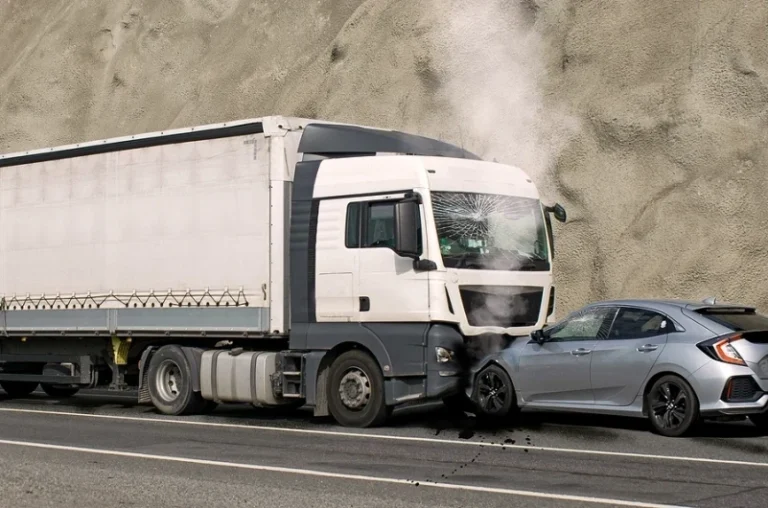
Multi-vehicle accidents are among the most complex types of car crashes in Florida. They can involve three, four, or even more vehicles, creating a chain reaction that leaves multiple drivers and passengers injured. These accidents often occur on busy highways, intersections, or during heavy traffic, and determining liability can be challenging. Understanding the common causes of multi-vehicle accidents and how Florida law approaches responsibility is essential for anyone involved in such a crash.
Common Causes of Multi-Vehicle Accidents
Several factors contribute to multi-vehicle collisions. While each accident has unique circumstances, certain causes appear repeatedly in Florida car crashes.
Distracted Driving
Distracted driving remains one of the leading causes of accidents statewide. Drivers using their phones, eating, adjusting controls, or interacting with passengers may fail to notice slowing traffic ahead. In multi-vehicle accidents, a momentary distraction can trigger a chain reaction, as vehicles behind the distracted driver may not have enough time to stop.
Tailgating and Following Too Closely
Maintaining a safe distance between vehicles is critical. When drivers follow too closely, they cannot stop in time if traffic slows suddenly. In high-speed traffic, a single vehicle braking abruptly can cause a pileup. Tailgating is particularly dangerous on Florida highways during rush hours or in areas with frequent congestion.
Speeding
Excessive speed reduces a driver’s reaction time and increases stopping distance. In multi-vehicle accidents, speeding can escalate the severity of the crash. A driver traveling too fast may fail to react to slowing traffic, leading to collisions with multiple cars. Florida law strictly enforces speed limits, but drivers often underestimate the risks of driving above the posted speed.
Adverse Weather Conditions
Florida’s frequent rainstorms, fog, and occasional hurricanes create hazardous driving conditions. Wet roads reduce traction, making it harder for vehicles to stop quickly. Heavy rain can also reduce visibility, making it difficult for drivers to see brake lights or traffic signals. Multi-vehicle accidents often spike during storms or periods of sudden weather changes.
Sudden Lane Changes and Improper Merging
Drivers who change lanes without signaling or merge improperly can trigger multi-car crashes. On highways, vehicles traveling at different speeds and merging unpredictably can create chain reactions. Even minor misjudgments by one driver can affect everyone in the immediate vicinity.
Driving Under the Influence
Alcohol or drug impairment remains a significant factor in Florida car accidents. Impaired drivers are slower to react, have poor judgment, and are more likely to speed or tailgate. When a drunk driver initiates a crash, the impact often spreads to nearby vehicles, making liability issues more complicated.
Mechanical Failures
Although less common, vehicle malfunctions can lead to multi-vehicle accidents. Brake failures, tire blowouts, or steering issues can cause a driver to lose control, potentially impacting several other cars. Vehicle maintenance and recall compliance are critical for preventing accidents caused by mechanical failures.
Liability Issues in Multi-Vehicle Accidents
Determining liability in a multi-vehicle accident is often more complicated than in a two-car crash. Florida follows a comparative fault system, which means that multiple drivers can share responsibility for damages based on their degree of fault.
Identifying the Primary Cause
Insurance companies and lawyers typically start by identifying the primary cause of the accident. This might be a distracted driver who rear-ended a stopped car or a speeding driver who caused a chain reaction. Investigators consider traffic camera footage, eyewitness statements, police reports, and vehicle damage patterns.
Shared Liability Among Drivers
In many multi-vehicle crashes, more than one driver may be partially responsible. Florida law allows courts and insurance companies to assign percentages of fault to each party. For example, if three cars are involved in a rear-end collision, the driver in the middle may share some liability if they were also following too closely.
Insurance Considerations
Multi-vehicle accidents can complicate insurance claims. Drivers may need to file claims with multiple insurance companies, and fault disputes can delay settlements. Florida requires all drivers to carry personal injury protection (PIP) and property damage liability coverage, which can cover medical bills and property repairs regardless of who caused the crash.
The Role of Legal Representation
In complex cases involving several vehicles, having an experienced personal injury lawyer is critical. A lawyer can gather evidence, communicate with insurance companies, and help ensure that injured parties receive fair compensation. Legal professionals can also navigate situations where liability is disputed or multiple parties have conflicting accounts of the accident.
Preventing Multi-Vehicle Accidents
While not all crashes are preventable, drivers can take steps to reduce their risk. Maintaining a safe following distance, avoiding distractions, obeying speed limits, and adjusting driving for weather conditions can significantly lower the chances of being involved in a multi-car collision. Regular vehicle maintenance and responsible driving habits also play a key role in accident prevention.
Conclusion
Multi-vehicle accidents in Florida can be devastating, involving multiple injuries, property damage, and complicated liability issues. Distracted driving, speeding, tailgating, and weather conditions are among the most common causes, while liability often requires careful investigation and legal analysis.
If you or a loved one has been involved in a multi-vehicle crash in Largo or elsewhere in Florida, consulting a personal injury lawyer can help you understand your rights and pursue the compensation you deserve. Legal guidance is crucial when multiple parties and insurance companies are involved.
John Pape is the Managing Partner at Weston & Pape and has more than 30 years of experience representing injured clients across Florida. A summa cum laude graduate of the University of Miami School of Law, he has devoted his entire career to personal injury cases, including motor-vehicle accidents, wrongful death, and nursing-home neglect. Recognized by Verdict7, The National Trial Lawyers Top 100, and Premier Lawyers of America, John is known for his thorough preparation and commitment to achieving meaningful results for his clients.

 Call Us Today - It's Free