How to Negotiate a Largo Personal Injury Settlement with Insurance Adjusters

Most personal injury claims in Florida are resolved through a settlement rather than a trial. For someone in Largo recovering from a crash, a fall, or another injury, that usually means dealing with an insurance adjuster who represents the company responsible for paying the claim. These conversations can feel uneven, since adjusters handle claims every day while most injured people go through the process only once. Knowing how negotiations typically unfold, what information matters, and which factors can influence an offer may help injured people approach the process with more confidence. Each claim is different, and the right approach depends on the injury, the evidence, and the coverage involved. Anyone unsure about how to handle settlement discussions may benefit from Largo personal injury legal guidance before agreeing to any terms.
How Insurance Adjusters Approach Injury Claims
Understanding the adjuster’s position can make negotiations easier to navigate. Adjusters are often courteous and professional, but their responsibilities lie with the insurer.
The Adjuster’s Role
An insurance adjuster investigates the claim, reviews the evidence, and evaluates how much the insurer may be obligated to pay. When the claim is against another person’s policy, the adjuster works for that person’s insurer rather than for the injured party. Adjusters generally look for information that supports a lower valuation, such as gaps in treatment or pre-existing conditions. People with questions about how insurers must handle claims can find consumer resources through the Florida Department of Financial Services.
Recorded Statements and Early Contact
Adjusters frequently reach out soon after an incident and may ask for a recorded statement. Statements given while a person is still in pain or unsure of the full facts can later be used to question the claim. Injured people are often not required to give a recorded statement to the other party’s insurer, although their own policy may require cooperation. It is usually wise to stick to basic facts and avoid guessing about injuries or fault.
Preparing Before Settlement Talks Begin
Preparation can shape how effectively an injured person presents their claim. Two areas tend to matter most.
Reaching a Stable Point in Treatment
Doctors sometimes describe the point at which a condition is unlikely to improve significantly with further treatment as maximum medical improvement. Settling before reaching that point can make it difficult to know the full cost of the injury, including future care. Because a settlement typically ends the claim permanently, waiting until the long-term picture is clearer may help avoid accepting an amount that does not cover later needs.
Gathering Documentation of Losses
A strong negotiating position usually rests on organized records. Useful documents may include medical bills and records, proof of lost wages, receipts for out-of-pocket costs, photographs, and a journal describing how the injury has affected daily life. Clear documentation gives the adjuster less room to dispute the extent of the losses. Copies of all correspondence with the insurer, including letters and emails, may also be helpful if questions arise later about what was said or offered.
Steps in the Negotiation Process
Settlement negotiations generally follow a recognizable sequence, although the timing varies widely from claim to claim. The table below outlines the typical stages.
| Stage | What Typically Happens |
|---|---|
| Demand letter | The injured party presents the facts, injuries, losses, and a requested amount |
| Insurer response | The adjuster accepts, rejects, or makes a counteroffer |
| Counteroffers | Both sides exchange offers and supporting information |
| Agreement and release | The parties sign a release that usually ends the claim |
The Demand Letter
A demand letter is often the first formal step in negotiations. It explains how the incident happened, why the other party is responsible, what injuries resulted, and what losses the injured person has experienced. Supporting records are typically attached. A well-organized demand gives the adjuster a clear picture of the claim and sets the starting point for discussion.
Evaluating Offers and Counteroffers
Initial offers from insurers are sometimes lower than the injured person expects. Responding with a counteroffer that points to specific evidence, such as medical records or wage documentation, may encourage a more thorough evaluation. Each offer should be compared against the full scope of losses, including future medical needs. Once a release is signed, reopening the claim is usually not possible, so careful review before accepting any offer is important.
Factors That Can Affect a Settlement
Several legal and practical issues can influence how much an insurer is willing to offer and how much the injured person ultimately keeps.
Shared Fault Arguments
Adjusters often raise questions about whether the injured person contributed to the incident. Under Florida’s comparative fault law, which appears in the Florida Statutes published by the Florida Senate, damages may be reduced by the injured person’s percentage of fault, and recovery is generally barred if that share is greater than half. Evidence that clarifies how the incident occurred can help respond to these arguments.
Liens and Repayment Obligations
Health insurers, government programs, and some medical providers may have a right to be repaid from a settlement for the treatment they covered. These liens can reduce the amount an injured person receives. Identifying them early allows them to be factored into negotiations rather than discovered after an agreement is reached. Depending on the type of lien and the rules that apply, repayment amounts can sometimes be reviewed or negotiated.
Filing Deadlines
Negotiations do not pause Florida’s statute of limitations. Most negligence claims in Florida generally must be filed in court within two years, and some claims, such as those involving government entities, have additional notice requirements. Keeping these deadlines in mind helps preserve the option of filing a lawsuit if negotiations do not succeed.
Moving Forward With Your Settlement Discussions
Negotiating with an insurance adjuster can be stressful, especially while you are still focused on healing. We understand how much is at stake in these conversations, and our team is here to help you understand the strengths of your claim, the offers you receive, and the factors that may affect them. At Weston & Pape, we can review your documentation, communicate with insurers on your behalf, and help you weigh your options before you sign anything. If you are facing settlement talks after an injury, our Largo personal injury attorneys are available to answer your questions. Reach out to us to discuss where your claim stands and what may come next.
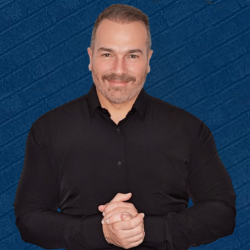
John Pape is the Managing Partner at Weston & Pape and has more than 30 years of experience representing injured clients across Florida. A summa cum laude graduate of the University of Miami School of Law, he has devoted his entire career to personal injury cases, including motor-vehicle accidents, wrongful death, and nursing-home neglect. Recognized by Verdict7, The National Trial Lawyers Top 100, and Premier Lawyers of America, John is known for his thorough preparation and commitment to achieving meaningful results for his clients.

 Call Us Today - It's Free