How Weather Conditions Contribute to Car Accidents in Florida
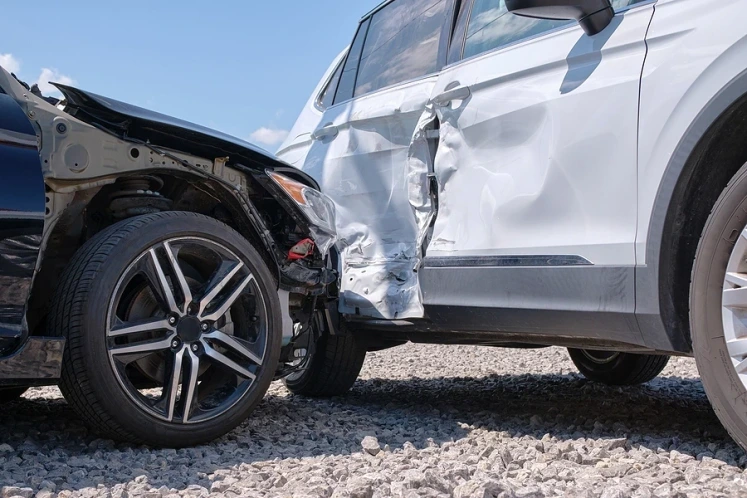
Florida is known for its sunny skies and beautiful beaches, but its weather can also make driving risky. Heavy rain, strong winds, and sudden storms are common throughout the year, creating conditions that contribute to car accidents. Recognizing how weather affects driving safety can help residents protect themselves and understand their rights if an accident occurs.
Rain and Wet Roads
Florida receives frequent rainfall, especially during the summer months. Sudden downpours can quickly create slick road surfaces. Water reduces tire traction and increases the chances of hydroplaning, where a car slides uncontrollably on the water surface. Drivers may struggle to stop quickly or maintain control, which can lead to collisions.
Puddles can also hide hazards such as potholes or debris. Even small amounts of standing water can cause a vehicle to lose stability. In addition, rain often reduces visibility. Windshield wipers can only do so much, and reflections on wet roads can make it hard to judge distances.
Tips for safer driving in rain:
- Slow down and maintain a safe following distance.
- Turn on headlights to improve visibility.
- Avoid sudden braking or sharp turns.
- Check tires and brakes regularly for optimal performance.
Fog and Low Visibility
Fog can appear suddenly in Florida, especially near bodies of water or in the early morning. Thick fog makes it difficult to see other vehicles, traffic signals, and road markings. Drivers often underestimate the danger, thinking their speed is safe. This misjudgment can result in rear-end collisions or side-impact crashes at intersections.
Fog combined with other weather conditions, like light rain, makes roads even more hazardous. Reduced visibility forces drivers to react slower, increasing the likelihood of accidents.
Safety tips for driving in fog:
- Use low-beam headlights, not high beams.
- Reduce speed and increase the distance from the vehicle ahead.
- Avoid passing other vehicles unless absolutely necessary.
Windy Conditions
Florida experiences strong winds, particularly during hurricane season. High winds can push vehicles out of their lane, especially large trucks, SUVs, and vehicles towing trailers. Loose objects, tree branches, and debris blown onto roads create additional hazards.
Even moderate winds can affect driver control, particularly on bridges and open highways. Overcorrecting after a gust can lead to collisions or rollovers.
Tips for driving in wind:
- Keep both hands on the steering wheel.
- Reduce speed in gusty conditions.
- Be alert for debris or obstacles on the road.
Lightning and Storms
Lightning during thunderstorms can be distracting and dangerous. While lightning itself rarely causes accidents, the sudden nature of storms often does. Drivers may brake abruptly, swerve to avoid obstacles, or lose control when trying to escape heavy rain. Storms may also knock down power lines or traffic signals, creating further hazards.
Heat and Road Conditions
Extreme heat may not seem dangerous at first, but Florida’s high temperatures can contribute to accidents. Asphalt softens in extreme heat, reducing traction and increasing tire wear. Hot weather can also cause drivers to become fatigued or distracted. Long exposure to heat in traffic can slow reaction times, increasing the risk of collisions.
Driver Behavior During Bad Weather
Weather alone does not cause accidents. Driver behavior plays a significant role. Many drivers fail to adjust their speed for wet or slick conditions. Others follow too closely, do not leave enough space to stop, or attempt risky maneuvers like passing in heavy rain. Distracted driving, even under perfect weather, becomes far more dangerous during storms or low visibility conditions.
Insurance and Legal Considerations
When weather contributes to a car accident, determining liability can be complicated. In Florida, the driver who failed to exercise reasonable care is generally considered at fault, even in adverse weather. If a driver was speeding, following too closely, or ignoring road conditions, they could be held responsible.
Insurance claims following weather-related accidents can involve:
- Property damage
- Medical bills
- Lost wages
Having legal guidance ensures that victims receive fair compensation. A personal injury lawyer familiar with local traffic laws and accident trends can help navigate these claims effectively.
Preventing Weather-Related Accidents
While you cannot control the weather, you can control how you respond to it. Here are some tips for safer driving in Florida:
- Slow down in rain or wet conditions and increase following distance.
- Turn on headlights in low visibility conditions such as fog or heavy rain.
- Avoid sudden maneuvers like sharp turns or abrupt braking.
- Check tire tread and brakes regularly to ensure vehicles are prepared for slick roads.
- Pull over safely during severe storms or when visibility is too poor to drive.
- Stay updated on weather alerts, particularly during hurricane season or heavy rain forecasts.
Conclusion
Florida’s weather presents unique challenges for drivers. Rain, fog, wind, storms, and heat all increase the risk of accidents. Understanding these risks and adjusting driving habits can reduce danger on the road. When accidents occur, knowing your legal rights is crucial. Drivers who fail to adjust to weather conditions may be held liable for injuries or damages.
If you or a loved one have been involved in a weather-related car accident in Deltona, seeking professional legal guidance can help ensure fair treatment and compensation. A personal injury lawyer can evaluate your case, handle negotiations with insurance companies, and protect your rights so you can focus on recovery.

John Pape is the Managing Partner at Weston & Pape and has more than 30 years of experience representing injured clients across Florida. A summa cum laude graduate of the University of Miami School of Law, he has devoted his entire career to personal injury cases, including motor-vehicle accidents, wrongful death, and nursing-home neglect. Recognized by Verdict7, The National Trial Lawyers Top 100, and Premier Lawyers of America, John is known for his thorough preparation and commitment to achieving meaningful results for his clients.

 Call Us Today - It's Free