Understanding Florida’s Dram Shop Laws in Alcohol-Related Accidents

Alcohol-related accidents can raise questions that go beyond the intoxicated driver. When someone causes a collision after drinking, injured people may wonder whether the person or business that provided the alcohol can also be held responsible. In Florida, the answer depends heavily on specific circumstances.
Florida’s dram shop laws take a relatively narrow approach to alcohol vendor liability. In most situations, a business that legally sells or serves alcohol is not responsible for injuries caused by an intoxicated customer. However, Florida law recognizes limited exceptions involving minors and people known to be habitual alcohol abusers.
Anyone affected by an alcohol-related car accident claim in Deltona may benefit from understanding these exceptions and what evidence may be needed to determine whether another party could share responsibility for the resulting injuries.
What Are Dram Shop Laws?
General Purpose of These Laws
Dram shop laws address when a person or business that sells or provides alcohol can potentially be held liable for injuries caused by someone who consumed that alcohol. The laws differ considerably from state to state.
In some states, alcohol vendors can face liability under broader circumstances when they serve someone who is visibly intoxicated or continue serving a customer who has consumed a substantial amount of alcohol. Florida generally does not follow that broader approach.
Instead, Florida law establishes specific circumstances in which a person or establishment furnishing alcoholic beverages may be liable for injuries or damage caused by an intoxicated person. This means that simply showing that a driver became intoxicated at a bar, restaurant, or other establishment is generally not enough to establish liability against that business.
For an injured person, this distinction matters. A claim may need to focus on whether the circumstances fall within one of Florida’s statutory exceptions rather than simply whether the establishment served alcohol to the driver before the crash.
The facts surrounding the alcohol service, the driver’s age, the establishment’s knowledge, and the events leading up to the accident can all become relevant when evaluating a potential claim.
Florida’s Generally Limited Approach
Florida’s dram shop framework is narrower than the laws in many other states. Under Florida Statutes Section 768.125, a person who furnishes alcoholic beverages is generally not liable for injuries or property damage caused by the intoxication of another person, subject to specific exceptions.
This means that a business is not automatically responsible simply because an intoxicated driver consumed alcohol there before causing a collision.
For example, suppose a driver visits a restaurant, purchases several drinks, becomes intoxicated, and later causes a crash. The fact that the driver consumed alcohol at the restaurant would not, by itself, establish that the restaurant is legally responsible for the resulting injuries.
That does not mean alcohol service can never become relevant. If the circumstances satisfy one of Florida’s statutory exceptions, the analysis can be different.
The underlying accident claim against the intoxicated driver is also separate from the question of whether an alcohol provider may have legal responsibility. Establishing liability against the driver and establishing liability against a vendor involve different factual and legal considerations.
Exceptions Under Florida Law
Serving Minors Under the Legal Drinking Age
One important exception concerns the knowing sale or furnishing of alcoholic beverages to a person who is not of lawful drinking age. Florida law provides a potential basis for liability when a person or establishment knowingly serves alcohol to someone under 21, and that person’s intoxication subsequently contributes to injuries or property damage.
The word “knowingly” is important. The issue is not simply whether the intoxicated driver happened to be under 21. The circumstances surrounding the alcohol service and what the vendor knew can become central to the claim.
Evidence may include identification records, receipts, surveillance footage, employee testimony, photographs, electronic transactions, or statements made by people who were present when the alcohol was provided.
The timing of the alcohol service and the accident may also need to be established. If an underage person consumes alcohol at one location and later causes a collision, investigators may need to determine where the alcohol came from and who provided it.
These cases can become factually complicated, particularly when multiple establishments or individuals may have provided alcohol during the same period.
Habitual Alcohol Abuse Situations
Florida law also recognizes an exception involving a person who is known to the alcohol provider to be a habitual drunkard or habitual alcohol abuser. The statute requires more than simply showing that the individual was intoxicated on the day of the accident.
The issue is whether the person who furnished the alcohol had the type of knowledge contemplated by the law. Establishing that knowledge can require an investigation into the relationship between the customer and the establishment and what employees or owners may have known about the person’s history.
For instance, evidence concerning repeated interactions, previous incidents at the establishment, employee observations, or other documented circumstances could potentially become relevant.
However, proving this exception is not simply a matter of demonstrating that a driver had a drinking problem. The specific statutory requirements and available evidence need to be considered.
This is one reason alcohol-related accident claims can require a closer examination of the circumstances leading up to the collision. Information that initially seems unrelated to the accident may become relevant when determining whether a statutory exception applies.
Building a Case Involving These Exceptions
Investigating the Vendor’s Knowledge
Because Florida’s dram shop exceptions involve specific circumstances and, in some cases, the knowledge of the person or establishment providing alcohol, evidence can be especially important.
A thorough investigation may examine where the driver consumed alcohol, when the alcohol was purchased, who served it, whether identification was requested, and what employees or other witnesses observed.
Surveillance footage can be particularly useful. Video may show the driver entering the establishment, interacting with employees, presenting identification, or receiving alcohol. Receipts and electronic payment records may help establish the timing and location of purchases.
Witness statements can also provide information about what happened before the driver left. Employees, other customers, friends, or other people present at the establishment may have relevant observations.
Preserving evidence promptly can matter because businesses may not retain surveillance footage indefinitely. Records and other information can also become more difficult to locate as time passes.
An investigation should also consider evidence from the accident itself. The police report, toxicology results when available, witness statements, vehicle information, and medical records can help establish the circumstances of the collision and resulting injuries.
Understanding Broader Alcohol Safety Standards
Alcohol-related crashes are a significant public safety concern. The National Institute on Alcohol Abuse and Alcoholism provides research and educational resources concerning alcohol use and its effects, offering a broader context for understanding the risks associated with excessive alcohol consumption.
General alcohol safety information does not establish legal liability in an individual accident. Florida’s dram shop law applies its own specific requirements, and a claim against an alcohol provider must be evaluated based on the facts and applicable law.
It is therefore important to distinguish between evidence showing that alcohol contributed to a crash and evidence establishing that a particular vendor or other third party can legally be held responsible.
An injured person may also have claims involving other forms of negligence, depending on how the collision occurred. The circumstances of the accident should be evaluated as a whole rather than assuming that the intoxicated driver’s conduct is the only issue that matters.
Understanding Your Legal Options
Alcohol-related accidents can involve complicated questions about responsibility, particularly when someone other than the intoxicated driver may have contributed to the circumstances leading up to the crash. Florida’s dram shop law is limited, but its exceptions can become important when alcohol was knowingly provided to a person under 21 or to someone the provider knew to be a habitual alcohol abuser.
Determining whether an exception applies requires more than identifying where the driver drank. Evidence about the driver’s age, the provider’s knowledge, alcohol purchases, employee observations, surveillance footage, and other circumstances may all be relevant.
An injured person should also consider the underlying accident claim independently. Medical records, accident reports, witness statements, photographs, and other evidence can help establish the injuries and losses caused by the collision.
Weston & Pape is a personal injury law firm serving Deltona, and we help clients understand the potentially responsible parties following alcohol-related accidents. If you were injured in a collision involving an intoxicated driver, our team can help you evaluate the circumstances and available legal options.
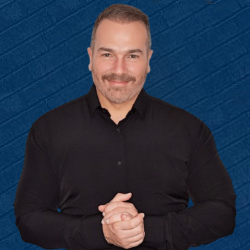
John Pape is the Managing Partner at Weston & Pape and has more than 30 years of experience representing injured clients across Florida. A summa cum laude graduate of the University of Miami School of Law, he has devoted his entire career to personal injury cases, including motor-vehicle accidents, wrongful death, and nursing-home neglect. Recognized by Verdict7, The National Trial Lawyers Top 100, and Premier Lawyers of America, John is known for his thorough preparation and commitment to achieving meaningful results for his clients.

 Call Us Today - It's Free